
With Gracepoint Wellness: A Holistic Approach to Mental Health as the focal point, this paragraph sets the stage for a captivating exploration, drawing readers in with a blend of intriguing details and fresh perspectives.
The subsequent paragraph will delve into the specifics, providing a comprehensive look at the subject matter.
Overview of Gracepoint Wellness
Gracepoint Wellness offers a range of services aimed at promoting mental health and well-being through a holistic approach.
Services Offered
- Individual therapy sessions
- Group therapy sessions
- Mindfulness and meditation classes
- Nutritional counseling
- Yoga and exercise classes
- Art therapy sessions
Holistic Approach to Mental Health
A holistic approach to mental health considers the interconnectedness of the mind, body, and spirit in promoting overall well-being. This approach emphasizes treating the whole person rather than just addressing symptoms.
Importance of Holistic Mental Health Care
By addressing various aspects of a person's life, including physical, emotional, and spiritual well-being, holistic mental health care aims to create a more comprehensive and sustainable treatment plan. This approach can lead to long-lasting improvements in mental health and overall quality of life.
Holistic Mental Health Treatments
Holistic mental health treatments at Gracepoint Wellness focus on addressing the individual as a whole, including their mind, body, and spirit. These treatments aim to promote overall well-being and healing by considering various aspects of a person's life.
Therapies Offered
- Yoga and Meditation: These practices help reduce stress, anxiety, and depression while promoting relaxation and mindfulness.
- Acupuncture: By stimulating specific points on the body, acupuncture can improve mood, reduce symptoms of depression, and alleviate stress.
- Nutritional Counseling: A balanced diet plays a crucial role in mental health, and nutritional counseling can help individuals make healthier food choices to support their well-being.
- Art Therapy: Engaging in creative activities can be therapeutic and help individuals express their emotions and thoughts in a non-verbal way.
Comparison with Traditional Treatments
Holistic mental health treatments differ from traditional approaches by focusing on the interconnectedness of the mind, body, and spirit. While traditional treatments often involve medication and talk therapy, holistic approaches incorporate complementary therapies to support mental health.
Examples of Holistic Therapies
- Aromatherapy: Using essential oils to promote relaxation and improve mood.
- Massage Therapy: Helps reduce muscle tension, promote relaxation, and alleviate stress.
- Herbal Remedies: Natural supplements and herbs that can support mental well-being and mood balance.
Benefits of a Holistic Approach
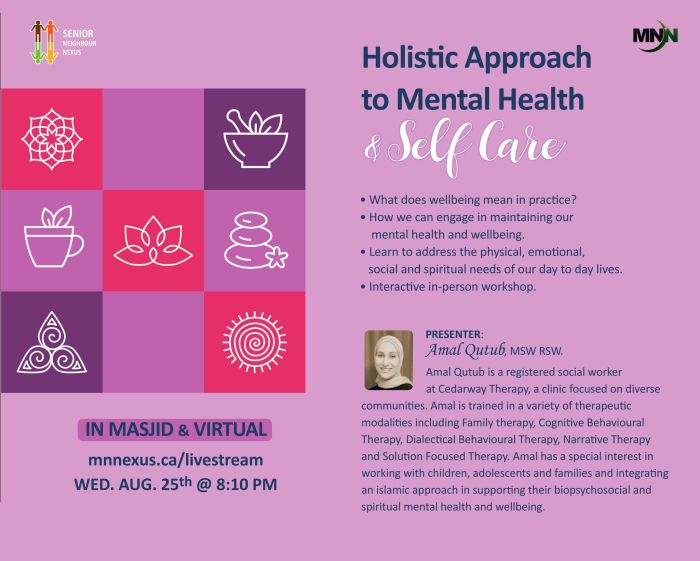
When it comes to mental health care, integrating holistic methods offers a range of benefits that can significantly improve overall well-being. By taking a holistic approach, individuals can experience a more comprehensive and personalized treatment plan that addresses their mental, emotional, physical, and spiritual needs.
Improved Mental Health
- Holistic treatments focus on the root cause of mental health issues, leading to more sustainable healing compared to just managing symptoms.
- Techniques such as mindfulness, meditation, and yoga can help reduce stress and anxiety, promoting a sense of calm and mental clarity.
- By addressing mental health from a holistic perspective, individuals may experience greater self-awareness and emotional balance.
Enhanced Physical Well-being
- Holistic approaches often incorporate nutrition, exercise, and lifestyle changes that can positively impact physical health and energy levels.
- Practices like acupuncture and massage therapy can help alleviate physical tension and pain, promoting overall relaxation.
- Improving physical health can contribute to a stronger mind-body connection and enhance overall well-being.
Complementary to Traditional Care
- Holistic treatments can work alongside traditional mental health therapies, providing a more well-rounded approach to healing.
- Combining holistic methods with conventional treatments like medication or therapy can enhance the effectiveness of overall mental health care.
- Individuals may find that holistic approaches offer additional tools and resources to support their mental health journey.
Personalized Care at Gracepoint Wellness
At Gracepoint Wellness, we understand that each individual's mental health needs are unique. That's why we prioritize personalized care to tailor treatment plans according to each person's specific requirements and preferences.
Customized Treatment Plans
- Our team of experienced professionals takes the time to conduct thorough assessments and evaluations to understand the individual's background, concerns, and goals.
- We then work collaboratively with the individual to develop a customized treatment plan that may include a combination of therapy, medication, holistic practices, and other interventions.
- Regular monitoring and adjustments are made to the treatment plan based on the individual's progress and feedback.
Examples of Personalized Care
- One example of personalized care at Gracepoint Wellness is creating a safe and supportive environment for individuals who have experienced trauma, ensuring that they feel heard and understood throughout their healing journey.
- Another example is providing specialized care for individuals with co-occurring mental health and substance use disorders, addressing both issues simultaneously to promote long-term recovery.
Importance of Customization
-
Customizing mental health treatment is crucial in addressing the diverse needs and preferences of individuals, leading to better engagement, outcomes, and overall well-being.
- By tailoring treatment plans, we can address specific challenges, build on strengths, and empower individuals to take an active role in their mental health recovery.
Mind-Body Connection in Mental Health
The mind-body connection plays a crucial role in mental health, as the two are intricately linked. Physical well-being can significantly impact mental health, and vice versa. Addressing this connection is essential for a holistic approach to mental health care.
Techniques Used at Gracepoint Wellness
At Gracepoint Wellness, various mind-body techniques are utilized to improve mental health. These techniques include:
- Yoga and meditation: These practices help individuals relax, reduce stress, and improve mindfulness, which can positively impact mental health.
- Acupuncture: By balancing the body's energy flow, acupuncture can help alleviate symptoms of anxiety, depression, and other mental health conditions.
- Massage therapy: Massage can promote relaxation, reduce muscle tension, and release endorphins, contributing to improved mental well-being.
- Exercise and physical activity: Regular exercise not only benefits physical health but also boosts mood, reduces anxiety, and improves cognitive function.
- Breathing exercises: Deep breathing exercises can help individuals manage stress, anxiety, and other emotional challenges by promoting relaxation and mindfulness.
Closing Summary
Concluding with a compelling summary, this paragraph wraps up the discussion with a touch of insight and reflection.
Commonly Asked Questions
What personalized care services does Gracepoint Wellness offer?
Gracepoint Wellness tailors treatment plans to individual needs by incorporating a variety of personalized care experiences.
How does a holistic approach benefit mental health care?
Integrating holistic methods can enhance mental health care by improving overall well-being and complementing traditional treatments.
Can you provide examples of holistic therapies used at Gracepoint Wellness?
Some examples of holistic therapies utilized at Gracepoint Wellness include yoga, meditation, and acupuncture.