
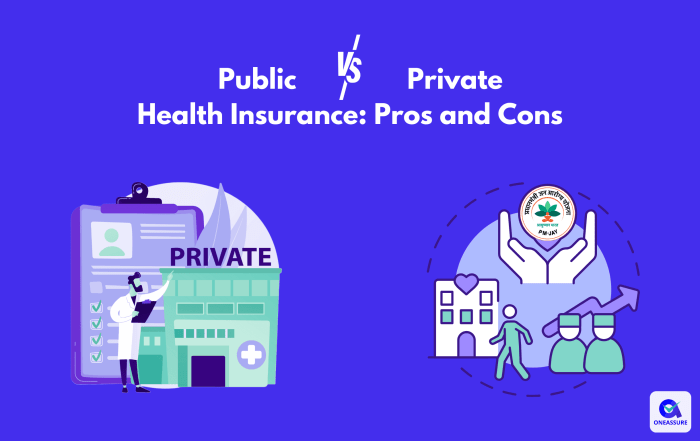
Delving into the nuances of public and private health insurance in Asia sheds light on the contrasting mechanisms that shape healthcare access and affordability in the region. As we navigate through the intricacies of these insurance systems, a deeper understanding emerges of how individuals in various Asian countries navigate their healthcare options.
Moving forward, let's dissect the key components that distinguish public and private health insurance in Asia, unraveling the complexities that influence individuals' choices in safeguarding their health and well-being.
Public Health Insurance in Asia
Public health insurance in Asian countries plays a crucial role in providing access to healthcare services for the population. It is a government-run system that aims to ensure affordable and accessible healthcare for all citizens.
Examples of Countries Offering Public Health Insurance
- Japan: Japan has a universal healthcare system known as the National Health Insurance (NHI) system, which covers a wide range of medical services for its residents.
- Singapore: Singapore has a public health insurance scheme called MediShield Life, which provides basic health insurance coverage for all Singaporean citizens and permanent residents.
- South Korea: South Korea operates the National Health Insurance (NHI) program, which covers a significant portion of medical expenses for its population.
Comparison of Coverage and Benefits
- Japan's NHI system offers comprehensive coverage for medical services, including hospitalization, outpatient care, and prescription drugs.
- Singapore's MediShield Life provides coverage for major illnesses and selected outpatient treatments, with the option to enhance coverage through additional private insurance plans.
- South Korea's NHI program covers a wide range of medical services, including hospitalization, outpatient care, and preventive services, with cost-sharing mechanisms based on income level.
Private Health Insurance in Asia
Private health insurance in Asia refers to insurance coverage that individuals can purchase from private companies to help cover medical expenses. While public health insurance is provided by the government, private health insurance is obtained through private insurers for a fee.
Prevalence of Private Health Insurance in Asian Nations
Private health insurance is prevalent in many Asian countries, especially in developed economies like Japan, South Korea, and Singapore. These countries have well-established private health insurance markets where individuals can choose from a variety of plans offered by different insurance companies.
Contrast with Public Health Insurance in Asia
Private health insurance in Asia differs from public health insurance in terms of coverage and access. Public health insurance is often more universal and government-funded, providing coverage to all citizens, while private health insurance is more selective and requires individuals to pay premiums for coverage.
Advantages and Disadvantages of Private Health Insurance in Asian Countries
- Advantages:
- Greater choice of healthcare providers and facilities
- Shorter waiting times for medical procedures
- Access to specialized treatments not covered by public insurance
- Disadvantages:
- Higher premiums compared to public insurance
- Exclusions for pre-existing conditions or high-risk individuals
- Potential for coverage limitations and hidden costs
Access to Healthcare
Access to healthcare is a crucial aspect of public health, and the availability of health insurance plays a significant role in determining individuals' access to necessary medical services in Asian regions.
Impact of Public Health Insurance
Public health insurance schemes in Asia have a direct impact on improving access to healthcare services for individuals in lower-income brackets. By providing coverage for essential medical treatments, public health insurance helps reduce financial barriers that often prevent individuals from seeking necessary healthcare.
This increased access to healthcare services can lead to improved health outcomes and overall well-being for the population.
- Public health insurance schemes often prioritize preventive care and essential treatments, ensuring that individuals can access necessary medical services without facing financial burdens.
- Government-funded health insurance programs help bridge the gap in healthcare access between different socio-economic groups, reducing disparities in health outcomes.
- By promoting early detection and treatment of diseases, public health insurance contributes to overall public health improvements in Asian regions.
Role of Private Health Insurance
Private health insurance in Asia complements public health insurance by offering additional coverage options and benefits to individuals who can afford it. While private health insurance may not be accessible to all, it plays a crucial role in improving healthcare access for those who can afford premium services.
- Private health insurance often provides faster access to specialized medical care and services, allowing individuals to seek treatment without long wait times.
- Individuals with private health insurance may have access to a wider network of healthcare providers and facilities, giving them more choices for their medical care.
- Private health insurance can cover elective procedures and treatments that may not be included in public health insurance plans, offering individuals more comprehensive healthcare options.
Disparities in Healthcare Access
Despite the benefits of public and private health insurance, disparities in healthcare access still exist in Asian regions. Individuals with public health insurance may face limitations in accessing specialized care or may experience longer wait times for certain medical services compared to those with private health insurance.
- Income inequality and geographical barriers can impact individuals' access to healthcare services, regardless of their insurance coverage.
- Individuals with private health insurance may receive priority treatment or better quality care due to their ability to pay for premium services, leading to disparities in healthcare outcomes.
- Efforts to address disparities in healthcare access should focus on improving the quality and availability of healthcare services for all individuals, regardless of their insurance status.
Affordability and Cost
When it comes to public health insurance in Asian countries, the affordability factor plays a crucial role in ensuring access to healthcare for the general population. Public health insurance schemes are designed to be affordable for all income groups, with the government subsidizing a significant portion of the costs.
Affordability of Public Health Insurance in Asia
Public health insurance in Asian countries is typically subsidized by the government to make it accessible and affordable for all citizens. Premiums are often based on income levels, ensuring that even low-income individuals can afford coverage. Co-payments and deductibles are usually minimal, further reducing the financial burden on individuals seeking healthcare services.
Costs of Private Health Insurance Plans in Asia
Private health insurance plans in Asia vary in cost depending on factors such as coverage options, age, pre-existing conditions, and the region. In general, private health insurance plans tend to be more expensive than public options due to the comprehensive coverage and additional benefits they offer.
Premiums for private insurance can be high, especially for plans that include services like specialist consultations, elective surgeries, and wellness programs.
Influence of Cost Factors on Choosing Between Public and Private Health Insurance
The cost of health insurance plays a significant role in individuals' decisions between public and private options in Asia. While public health insurance is more affordable and accessible, it may have limitations in terms of coverage and services. On the other hand, private health insurance offers more comprehensive coverage but comes at a higher cost.
Factors such as income level, health needs, and personal preferences influence individuals' choices between public and private health insurance in Asia.
Closure
In conclusion, the comparison between public and private health insurance in Asia unveils a multifaceted landscape where access, affordability, and coverage intersect to define the healthcare experiences of individuals across the region. By recognizing the strengths and limitations of each insurance type, individuals can make informed decisions that align with their healthcare needs and financial capabilities.
Q&A
What are the key differences between public and private health insurance in Asian countries?
Public health insurance is typically government-funded and aims to provide basic healthcare to all citizens, while private health insurance involves individuals or companies paying premiums for more comprehensive coverage tailored to their needs.
Which Asian countries have well-established public health insurance systems?
Countries like Japan, South Korea, and Taiwan are known for their robust public health insurance programs that ensure universal healthcare coverage for their populations.
How do cost factors influence individuals' choices between public and private health insurance in Asia?
The affordability of public health insurance makes it the primary choice for many, but those seeking additional benefits or faster access to healthcare may opt for private insurance despite higher costs.